
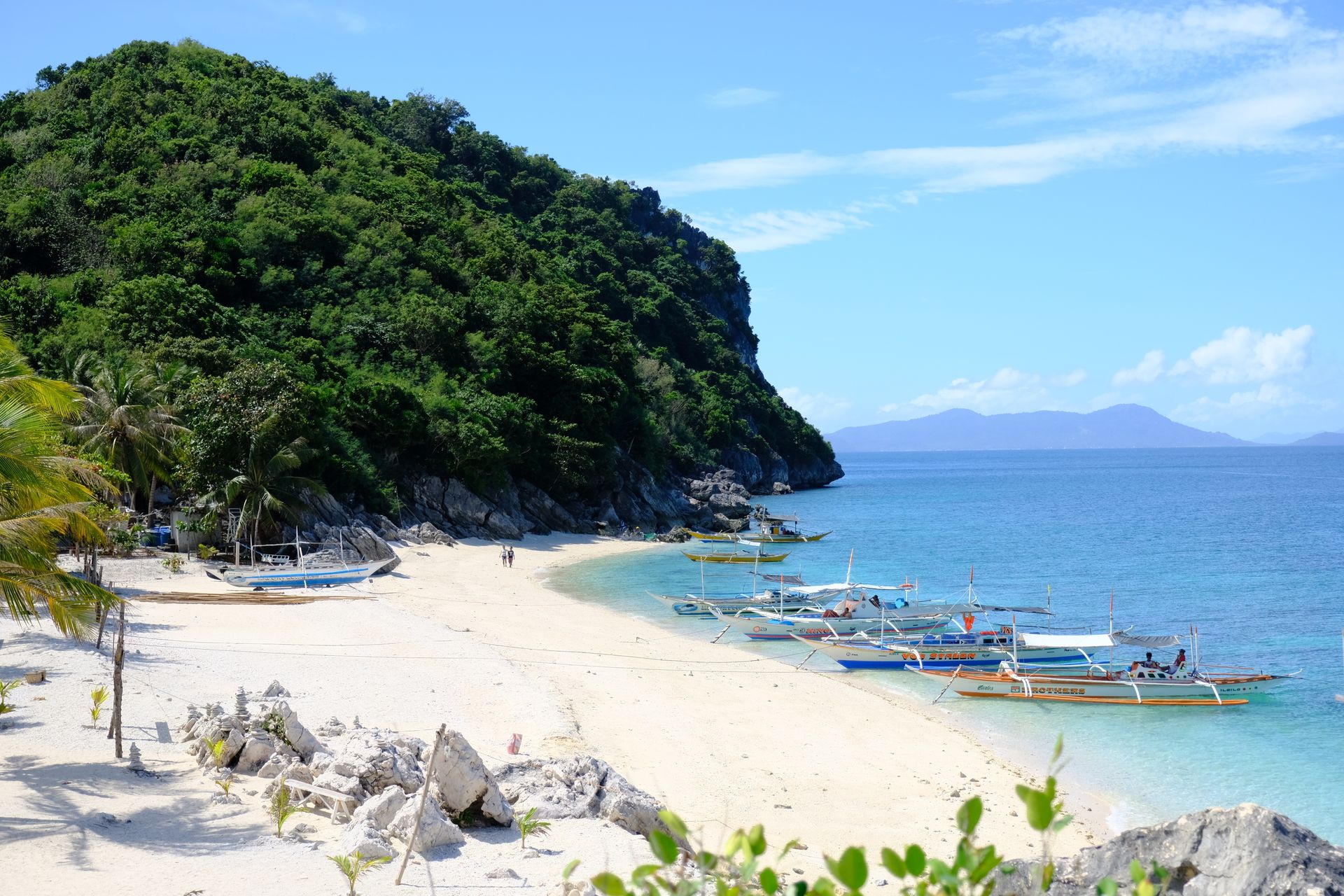
Planning a first visit to the Philippines can be surprisingly difficult. There are thousands of islands, countless attractive itineraries and an understandable temptation to include as much as possible.
The best trip is not necessarily the one with the most destinations. It is the one that gives you enough time, flexibility and reliable information to enjoy the places you choose. These are 15 common mistakes to avoid.
1. Trying to visit too many islands
Changing islands can consume most of a day once hotel check-out, road travel, waiting time and baggage collection are included. Three well-chosen bases will usually produce a better trip than six rushed stops. Prioritise what matters most and keep the rest for another journey.
2. Treating transfers as sightseeing days
A ferry scheduled for two hours does not create a two-hour transfer. Add the journey to the port, check-in, possible queues, loading, disembarkation and the transfer to the next hotel. Keep demanding tours away from arrival and departure days.
3. Booking a tight connection before the international flight
Domestic transport can be affected by weather, traffic and operational changes. If separate tickets are involved, one airline may not protect the next flight. A final night near the departure airport can be more valuable than squeezing in one extra island night.
4. Using an unofficial eTravel website
The official Philippine government eTravel registration is free. Use the official government website, check the address carefully and avoid third-party services charging unnecessary fees. Save the completed QR code where it is available without internet access.
5. Assuming cards are accepted everywhere
Large hotels and established businesses may accept cards, but smaller shops, local transport and some attractions may be cash-based. Carry a sensible amount of Philippine pesos without keeping all of it in one place.
6. Depending on one payment card
A lost, blocked or damaged card can disrupt the entire trip. Bring a backup from a different account where possible and store it separately. Keep access to your bank’s contact details, but never save card PINs with the cards.
7. Underestimating heat, humidity and rain
Light, breathable clothing makes long travel days easier. Add sun protection, a refillable water bottle and a compact rain layer. Sudden rain does not always mean a ruined day, but unsuitable clothing can make a short shower unnecessarily uncomfortable.
8. Ignoring mosquito precautions
Mosquito-borne illnesses are present in the Philippines. Check current health guidance before travelling and use appropriate repellent, clothing and accommodation precautions. Seek professional medical advice about vaccinations, medicines and personal health needs rather than relying only on a packing list.
9. Buying insurance without checking the activities
The cheapest policy may exclude exactly what you plan to do. Check diving, snorkelling, canyoneering, hiking and scooter conditions, along with medical limits and pre-existing-condition rules. Insurance wording matters more than the marketing headline.
10. Choosing tours only by the lowest price
Compare the operator’s safety approach, equipment, group size, inclusions, reviews and cancellation terms. A cheaper tour can become more expensive after entrance fees, equipment, meals and transfers are added. For children, confirm restrictions before paying.
11. Overpacking
Large suitcases are harder to manage through ports, boats and repeated hotel changes. Pack versatile clothing, plan for laundry and keep valuables and essential medicines in cabin baggage. Leave room for anything purchased during the trip.
12. Expecting reliable internet everywhere
Connectivity can vary. Download offline maps, flight details, accommodation addresses and tour contacts. If a transfer driver is meeting you, save the name, number and meeting instructions before leaving Wi-Fi.
13. Forgetting that local communities are not attractions
Ask before photographing people, follow dress requirements and respect protected areas. Do not touch wildlife or coral for a photograph. Choose operators that explain local and environmental rules rather than treating them as optional.
14. Filling every day with non-refundable activities
Weather and transport changes happen. A flexible half-day can absorb a delayed tour, provide time to rest or become an unexpected highlight. A holiday should not feel like a timetable that cannot move.
15. Failing to recheck important information
Opening times, fares, entry rules and transport schedules can change after an itinerary is drafted. Reconfirm major arrangements close to departure and again when necessary during the trip. For safety and entry matters, rely on official sources.
The better approach
Choose fewer destinations, create realistic transfer days and protect the international flight with a sensible buffer. Keep essential information offline, carry backup payment options and leave enough flexibility for the trip to adapt.
That approach may look less ambitious on paper, but it usually creates more time for the experiences that made you want to visit the Philippines in the first place.
Visit the JASZA Travels Freebies page for practical travel resources and printable activities for the journey.
This article provides general travel-planning information. Check current official travel, health and safety guidance before departure.