
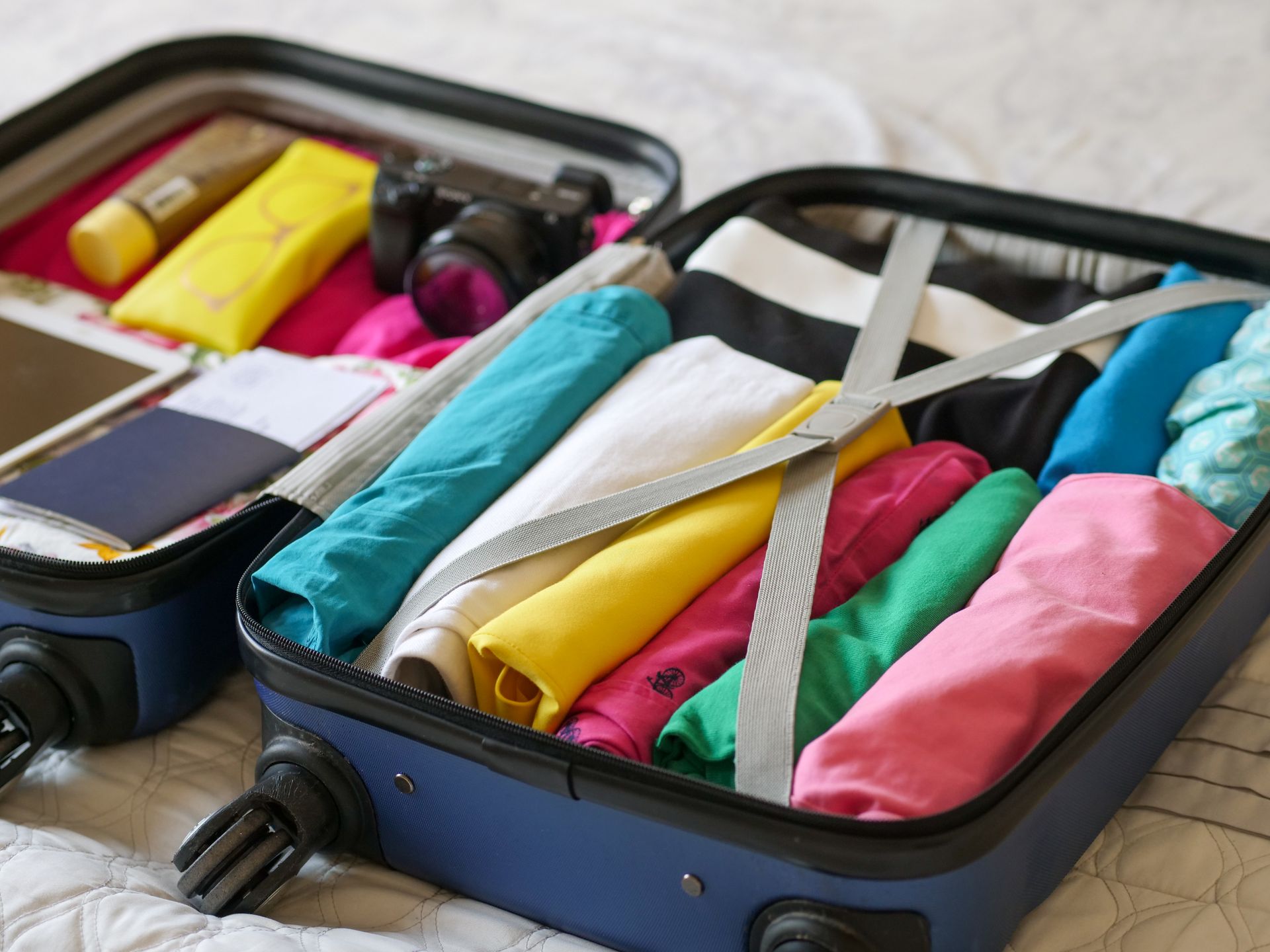
Packing for the Philippines means preparing for heat, humidity, sudden rain and several different kinds of travel day. Whether you are travelling alone, as a couple, with friends or as a family, your itinerary might include an international flight, city traffic, a ferry, a beach transfer and an outdoor activity—all within the same trip.
The aim is not to bring something for every possible situation. It is to keep the essentials organised while making your luggage manageable. Use this checklist as a starting point, then adapt it to your route, activities, accommodation and personal travel style.
Documents and travel information
- Passports with the required validity
- Visa or entry documents where applicable
- eTravel confirmation or QR code
- Return or onward flight confirmation
- Travel insurance details and emergency number
- Accommodation addresses and booking references
- Tour and transfer contact details
- Copies of important documents stored securely offline
Keep the originals in cabin baggage rather than checked luggage. Solo travellers should store secure backup copies, while couples and groups should make sure another traveller can access essential itinerary details if the main organiser’s phone is unavailable.
Money and payment
- Main payment card
- Backup card stored separately
- A sensible amount of Philippine pesos
- Secure travel wallet or organiser
- Bank and card-provider contact information
Do not keep all cash and cards in one bag. Check overseas fees and withdrawal limits before travelling, and use ATMs in secure, well-lit locations.
Lightweight clothing
- Breathable tops and shorts or lightweight trousers
- Comfortable outfits for transfer days
- A modest outfit for churches and community visits
- Swimwear and a rash vest
- Light sleepwear
- Underwear and socks
- A compact rain jacket or umbrella
- A light layer for air-conditioned transport
Quick-drying fabrics are useful when moving between destinations. Packing enough for several days and arranging laundry is often easier than carrying an outfit for every day of a three-week trip.
Footwear
- Comfortable walking sandals or trainers
- Secure closed shoes for activities that require them
- Water-friendly footwear if appropriate for the itinerary
- Lightweight flip-flops for accommodation or the beach
Do not take brand-new shoes that have never been worn. Check tour requirements in advance because some activities will not accept loose sandals.
Sun, rain and mosquito protection
- Broad-spectrum, high-SPF sunscreen
- Sun hats
- Sunglasses
- Appropriate mosquito repellent
- Light long-sleeved clothing where useful
- Compact rain protection
Reapply sun protection as directed, particularly after swimming. Check current professional travel-health guidance for mosquito-borne illness and any personal medical recommendations.
Health and personal care
- Regular medicines in suitable packaging
- Copies of prescriptions where appropriate
- Small first-aid kit
- Plasters and blister care
- Hand sanitiser and tissues
- Reusable water bottles
- Personal toiletries in travel-safe containers
- Any personal medical or accessibility supplies
Ask a pharmacist or medical professional for advice tailored to your individual needs. Keep essential medication accessible and check airline rules if any item needs special handling.
Beach and island days
- Swimwear and rash vests
- Quick-drying towels if the accommodation does not provide them
- Dry bag or waterproof pouch
- Water-resistant phone protection
- Reusable bag for wet clothing
- Snorkelling equipment only if you prefer your own and will use it often
Avoid carrying unnecessary valuables on boat trips. Follow operator instructions and use properly fitted safety equipment.
Technology
- Phones and charging cables
- Power bank packed according to airline rules
- Travel adaptor suitable for your devices
- Camera equipment only if it will genuinely be used
- Headphones
- Downloaded maps, entertainment and booking documents
Label chargers and use a small cable organiser. Back up photographs regularly rather than leaving the only copies on one device.
Optional extras for travellers with children
If you are travelling with children, add only the items that suit their age and the length of each transfer. Travellers without children can simply skip this section.
- One familiar comfort item
- Child-sized headphones
- Simple snacks for long transfers
- Refillable water bottle
- Colouring pages and pencils
- One small book or compact activity
- A complete change of clothes in cabin baggage
- Wet wipes and sealable bags
Choose a few compact activities instead of filling a separate bag with toys. Rotate them during the journey so everything does not appear at once.
What belongs in cabin baggage?
Keep passports, entry documents, medicines, valuables, electronics and essential booking information with you. Add one change of clothing, basic toiletries within airline limits and anything you would urgently need during an unexpected delay. Groups should divide critical items so one missing bag does not affect everyone.
Check the airline’s current rules for liquids, batteries and baggage size before leaving home. Families should also confirm rules for pushchairs and child equipment.
What can stay at home?
Leave behind excessive “just in case” outfits, heavy towels when they are provided, duplicate electronics and full-size toiletries that can easily be replaced. Avoid packing valuable jewellery that will create worry rather than enjoyment.
A practical packing method
- Lay out everything on the checklist.
- Remove items that do not match the itinerary.
- Divide clothing into small packing cubes by person or purpose.
- Create one accessible transfer-day bag.
- Keep wet, dirty and clean items separate.
- Weigh the luggage before departure.
- Leave some empty space for the return journey.
The most useful packing list is not the longest one. It is the list that supports the itinerary without making every airport, ferry and hotel change harder than it needs to be.
You can also visit the JASZA Travels Freebies page for printable resources and travel activities for the journey.
This checklist provides general information. Confirm airline requirements and obtain professional travel-health advice appropriate to your individual circumstances.